If you only have three days to explore Istanbul, don’t worry — this city offers a perfect blend of history, culture, food, and stunning views that you can enjoy even on a short trip. Here’s a carefully crafted 3-day itinerary to help you make the most of your time in this magnificent city.
Day 1: The Historic Heart of Istanbul
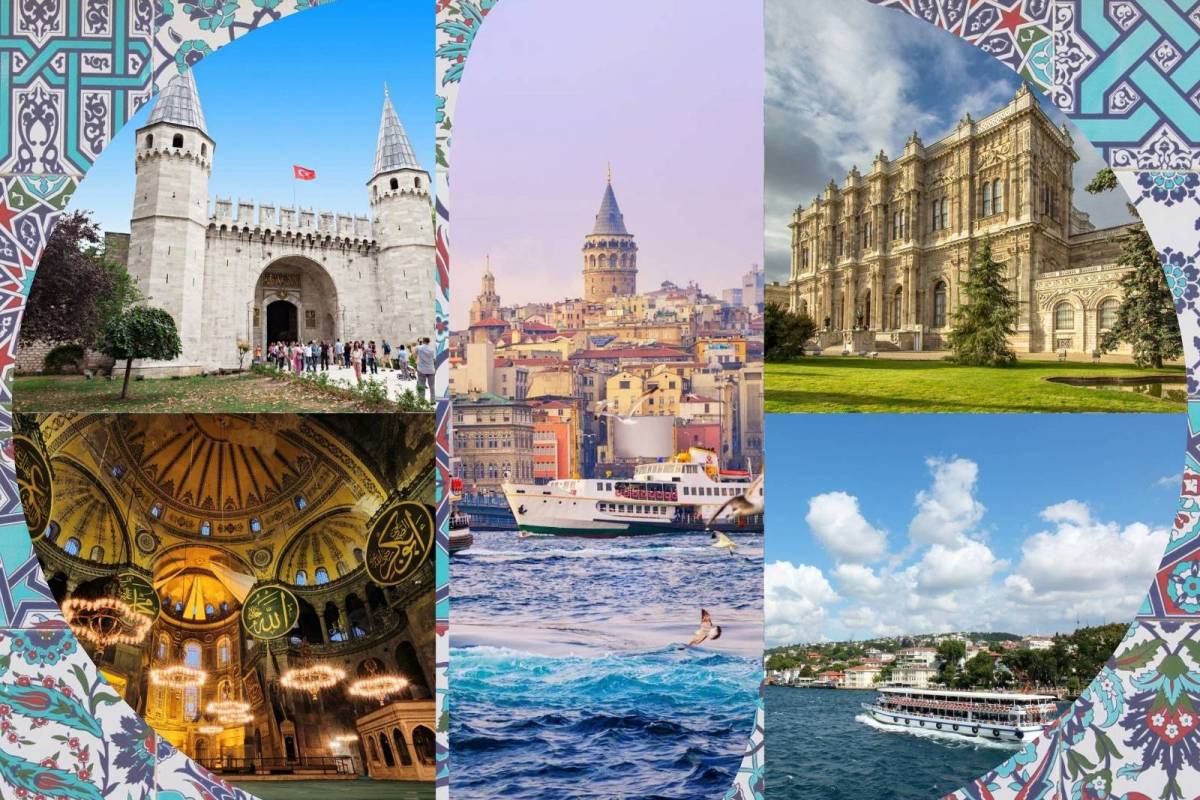
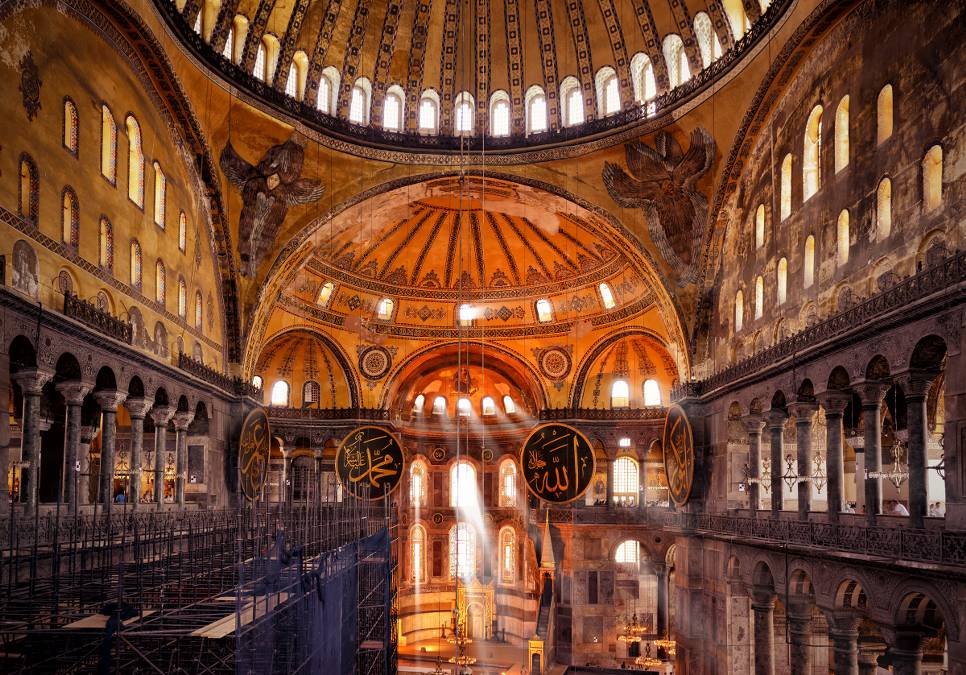
Hagia Sophia: Marvel at centuries of history inside this iconic former cathedral and mosque.
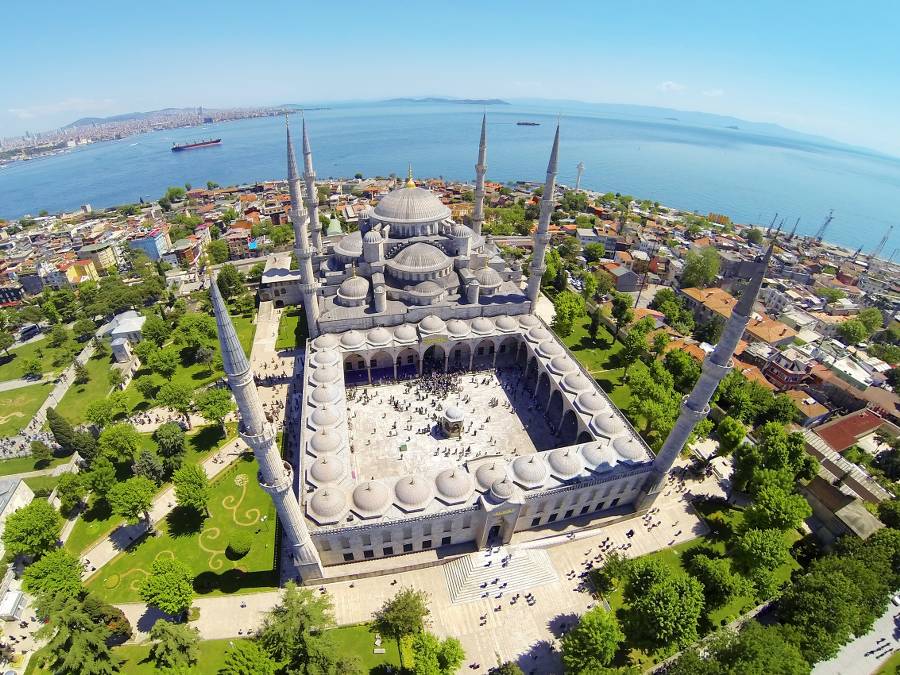
Blue Mosque: Admire the impressive blue-tiled interior of one of Istanbul’s most famous mosques.
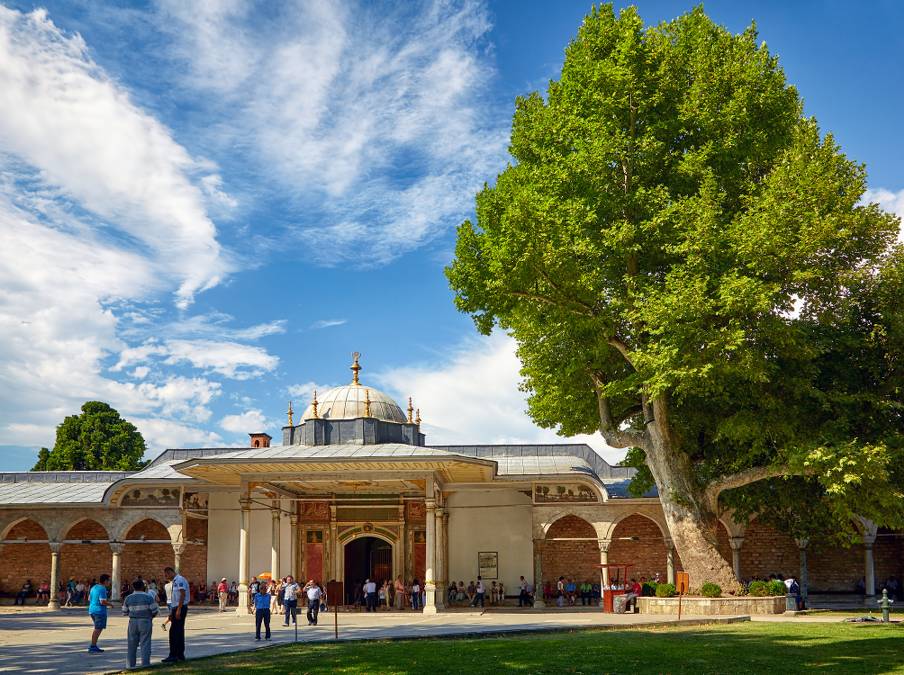
Topkapi Palace: Explore the opulent palace of Ottoman sultans with beautiful courtyards and views.
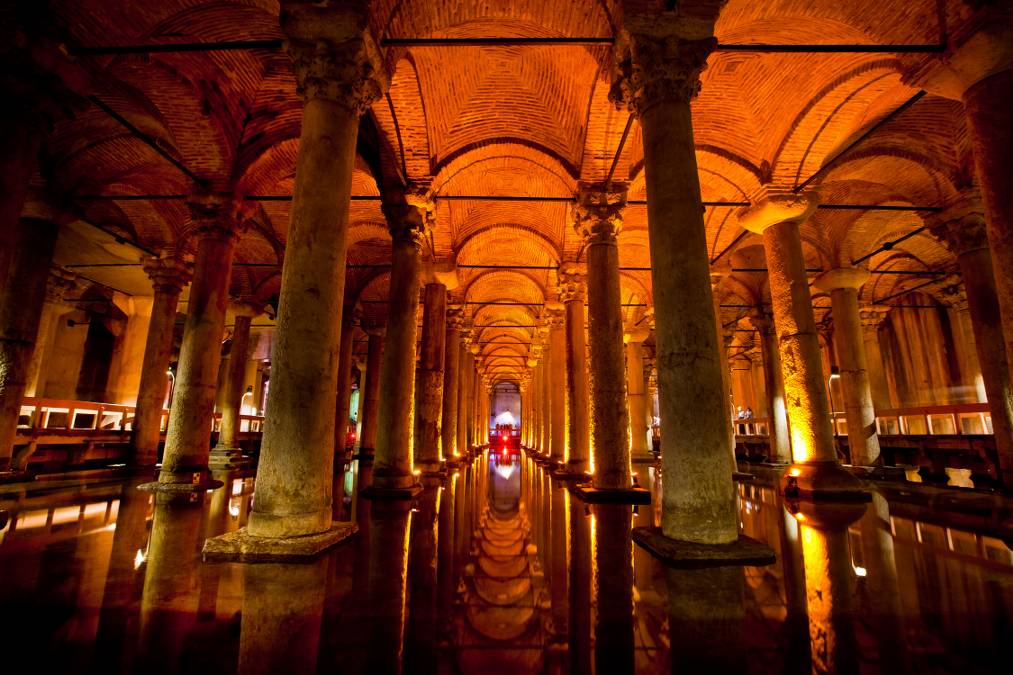
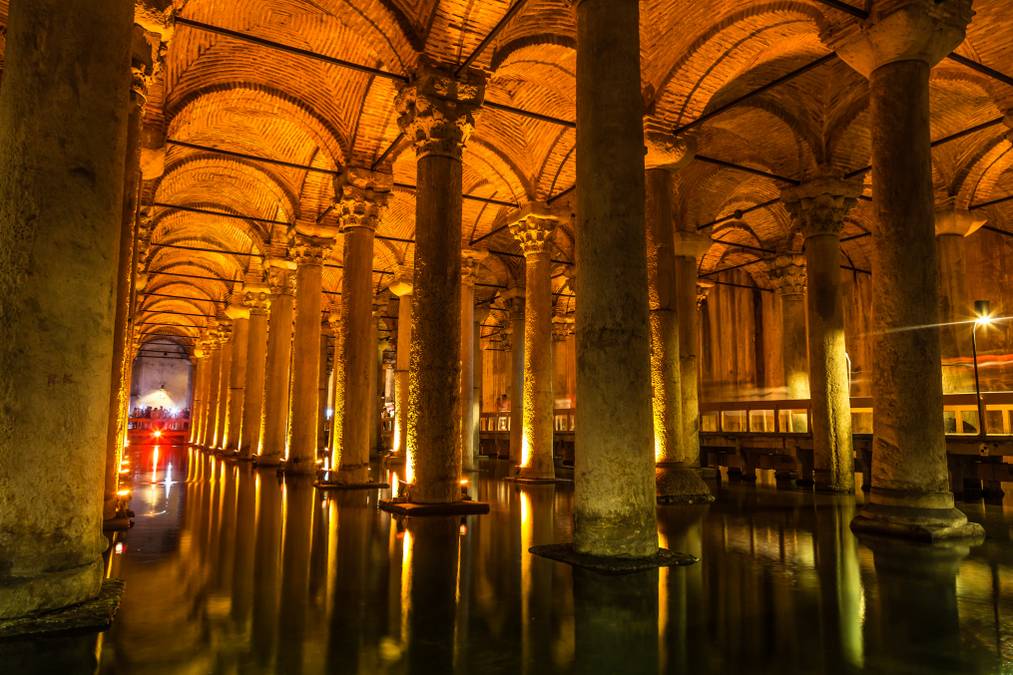
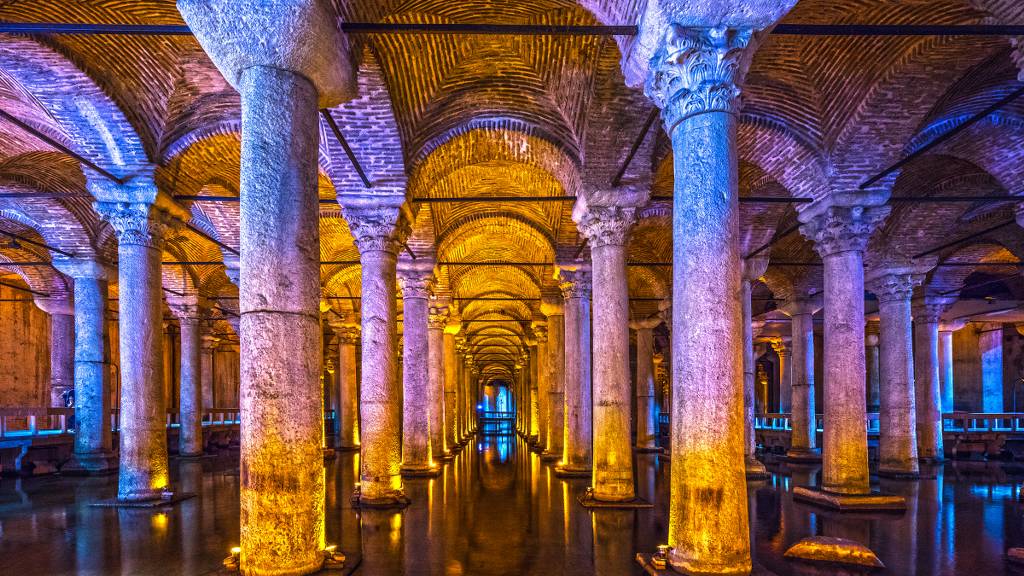
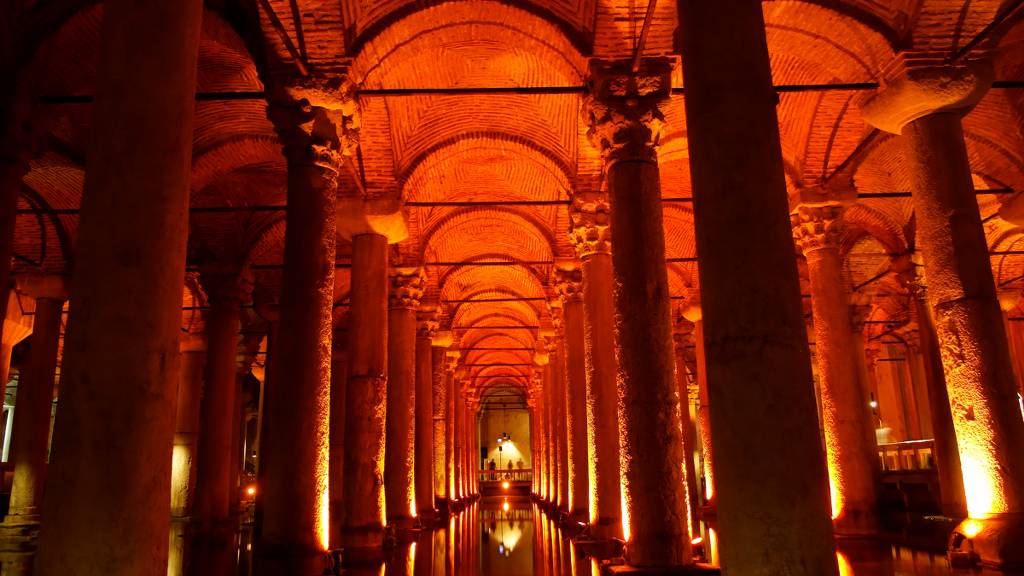
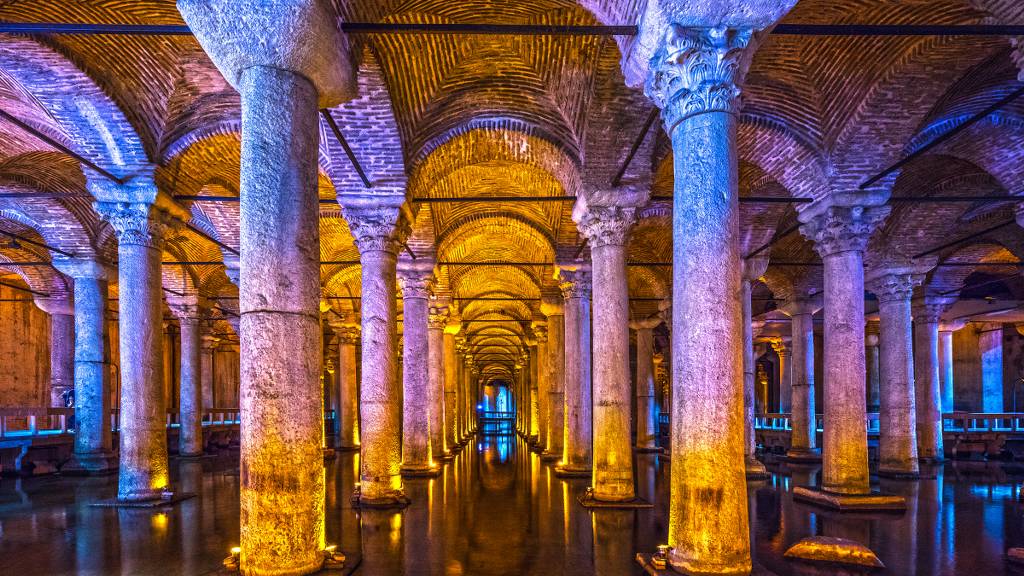
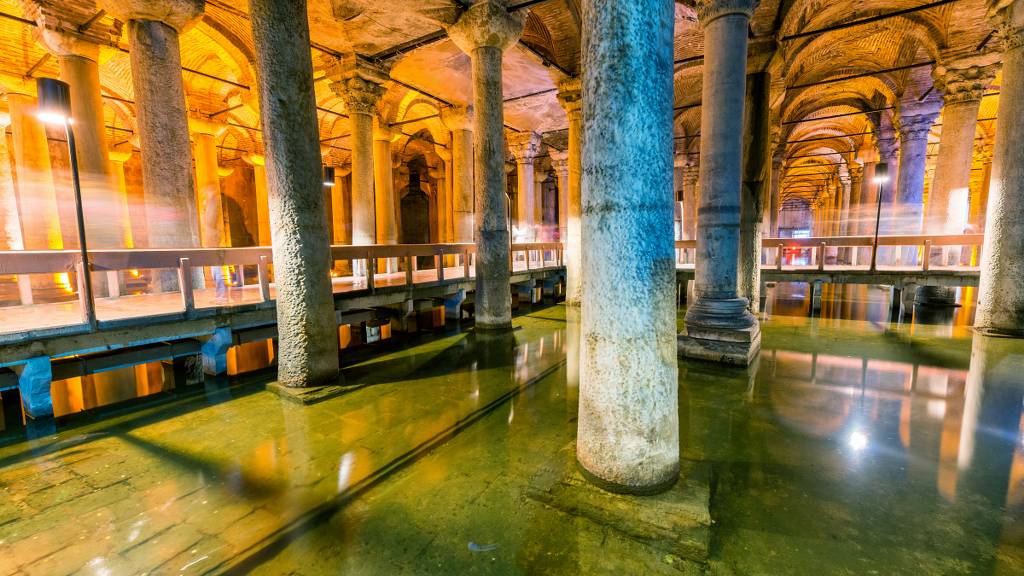
Basilica Cistern: Descend into an atmospheric underground world supported by ancient columns.
Evening Tip: Dine with a view of the old city skyline or enjoy a stroll through Sultanahmet Square.
Day 2: Bosphorus and Modern Istanbul
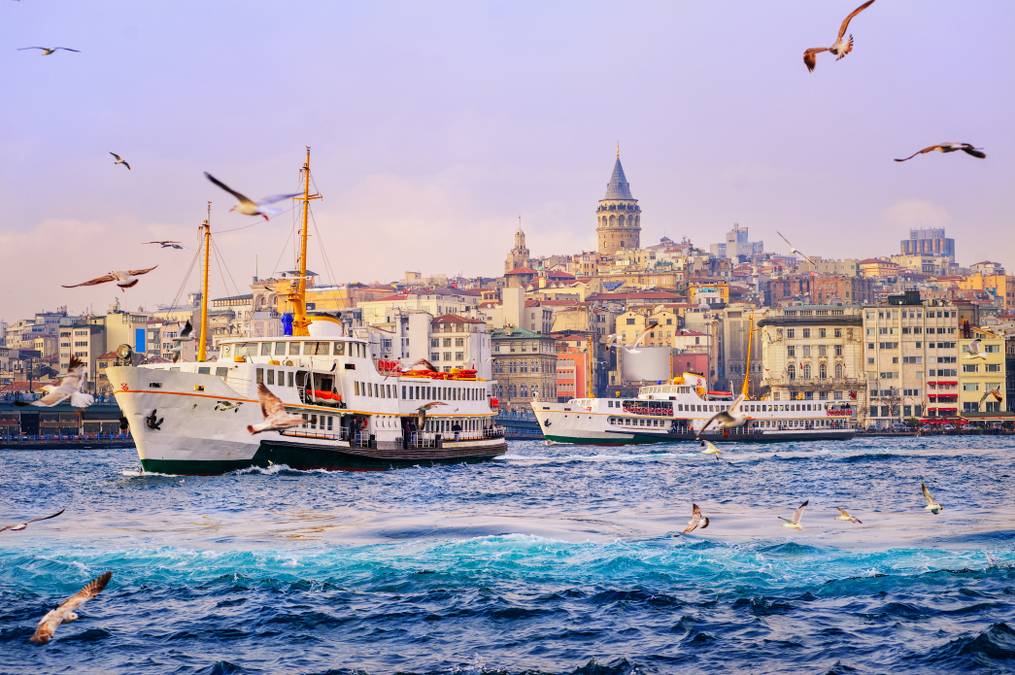
Bosphorus Cruise: Sail between two continents and enjoy breathtaking views of Istanbul from the water.
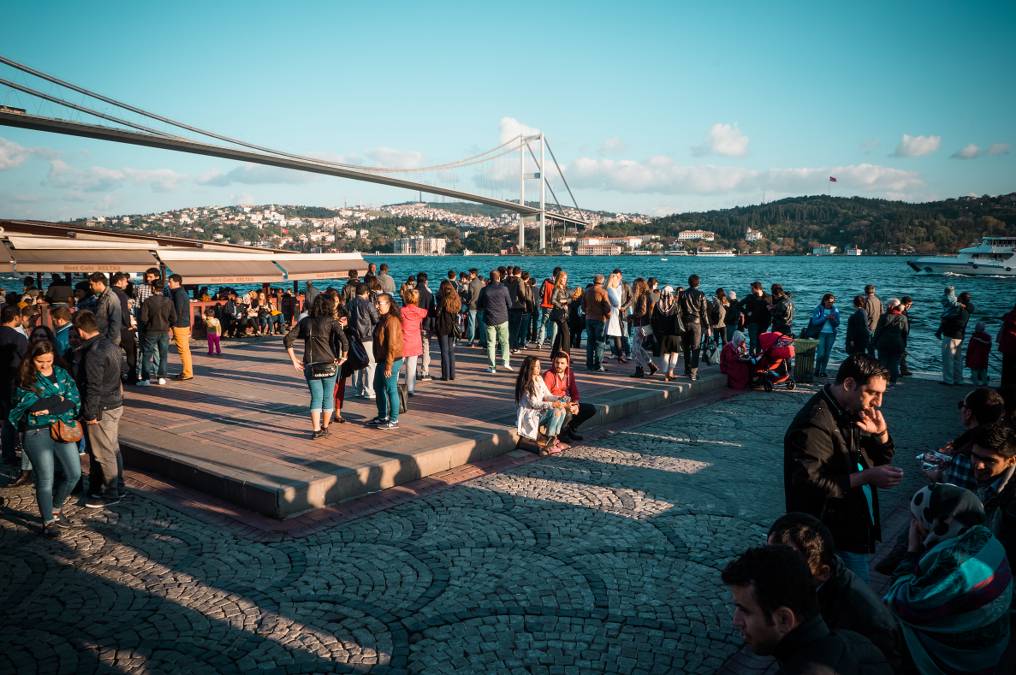
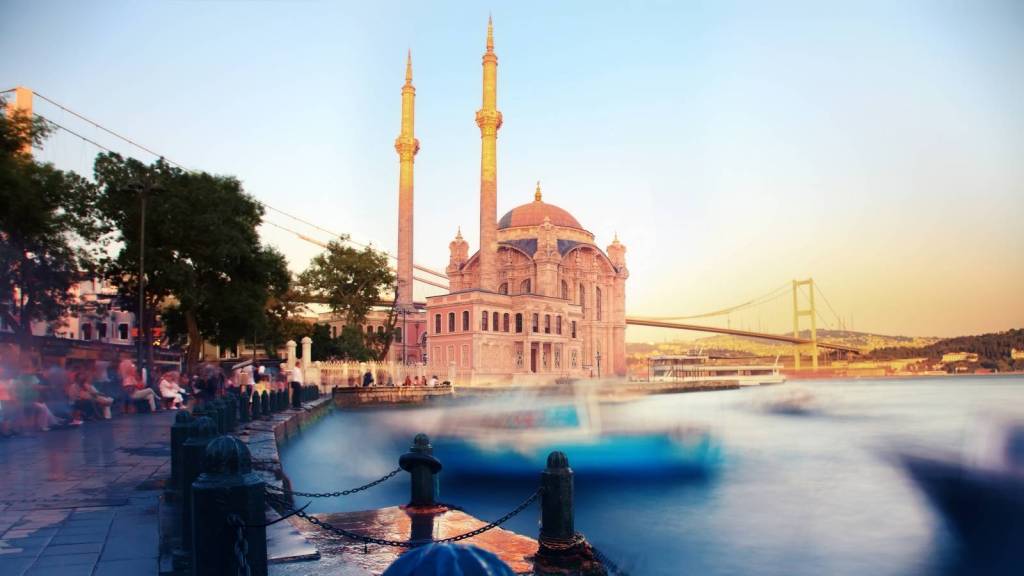
Ortaköy: Wander through this lively waterfront neighborhood known for its food and charm.
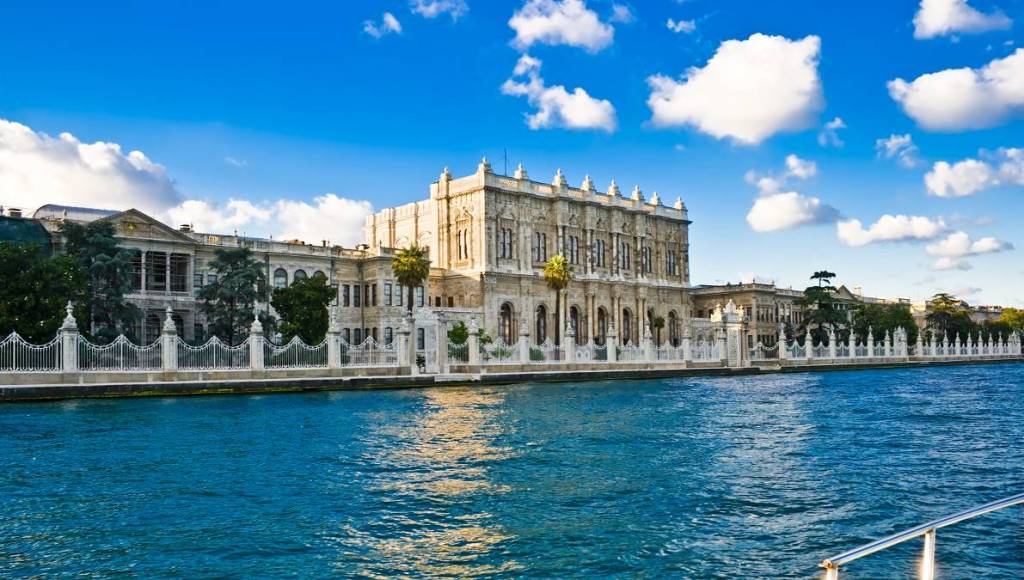
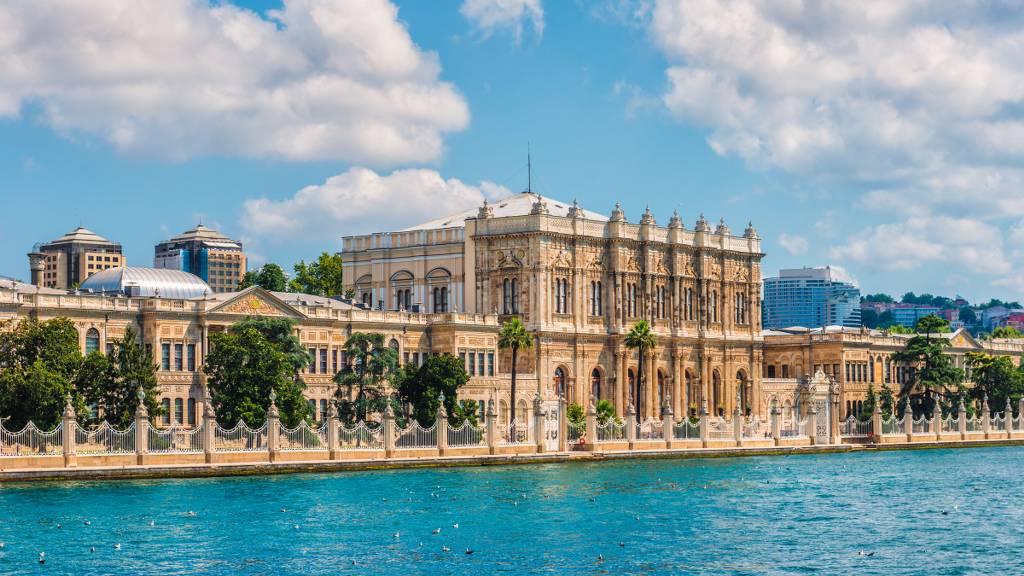
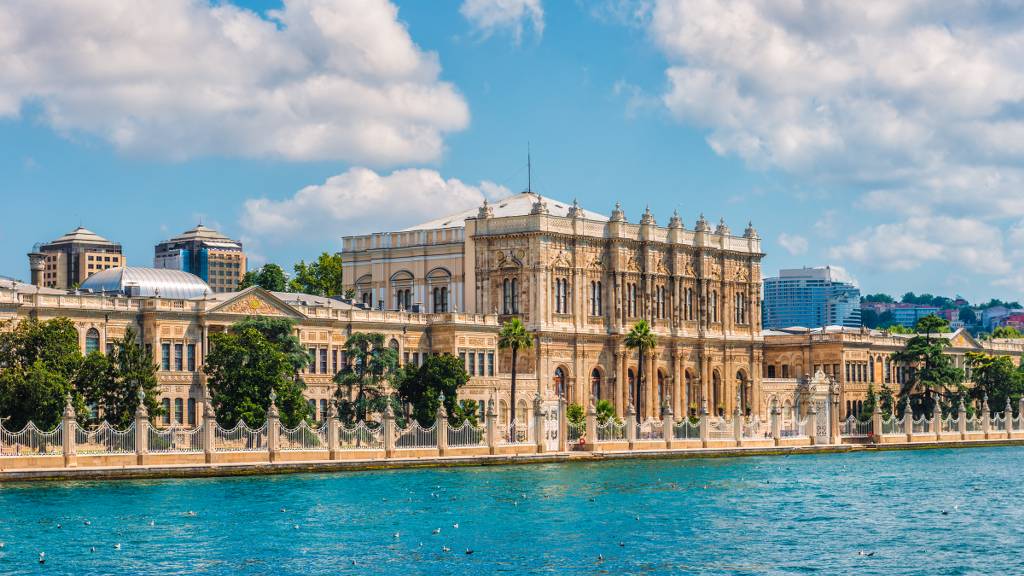
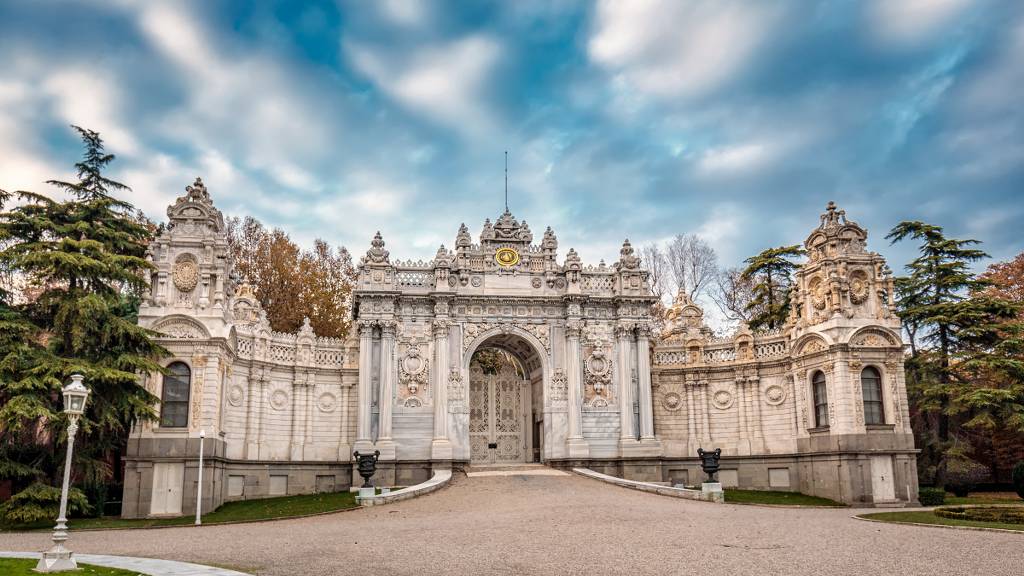
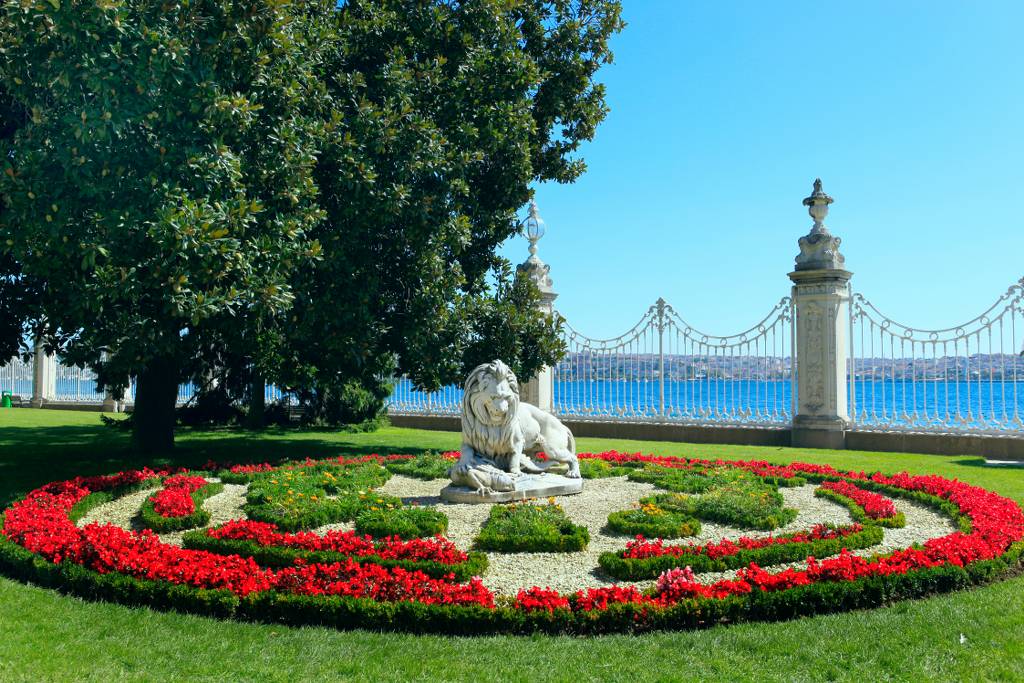
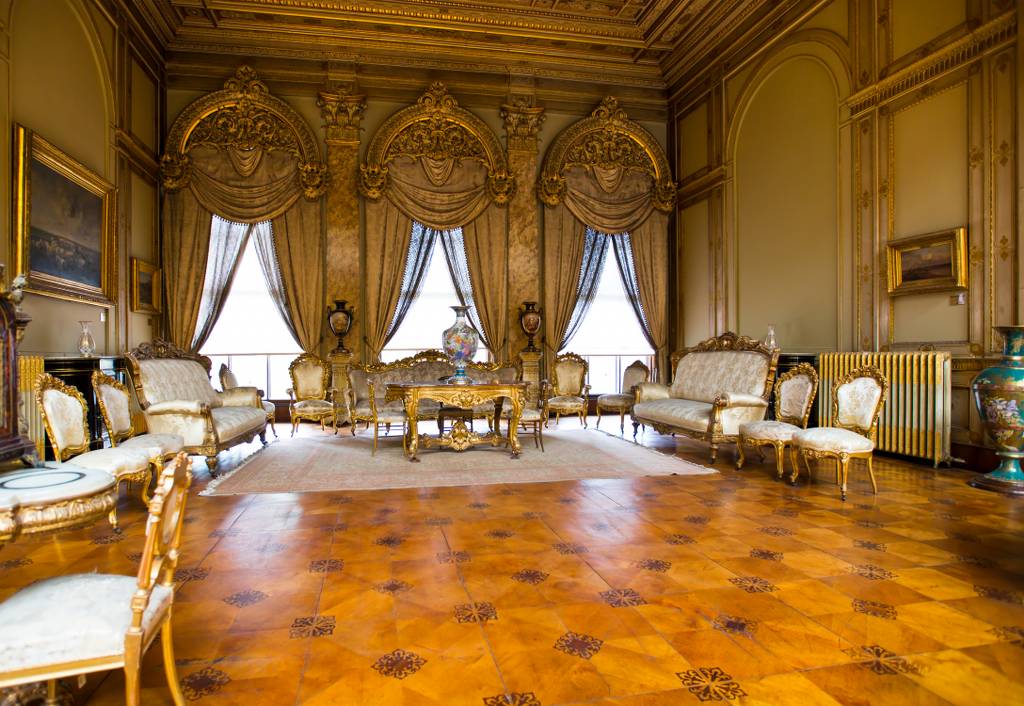
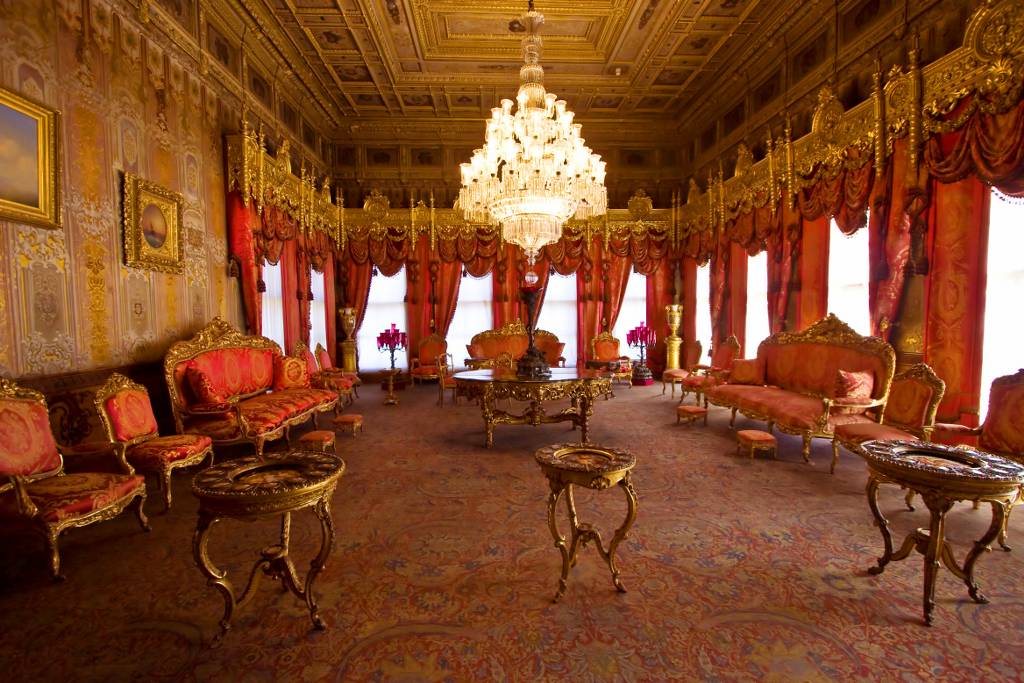
Dolmabahçe Palace: See the grandeur of Ottoman architecture with European-style influences.
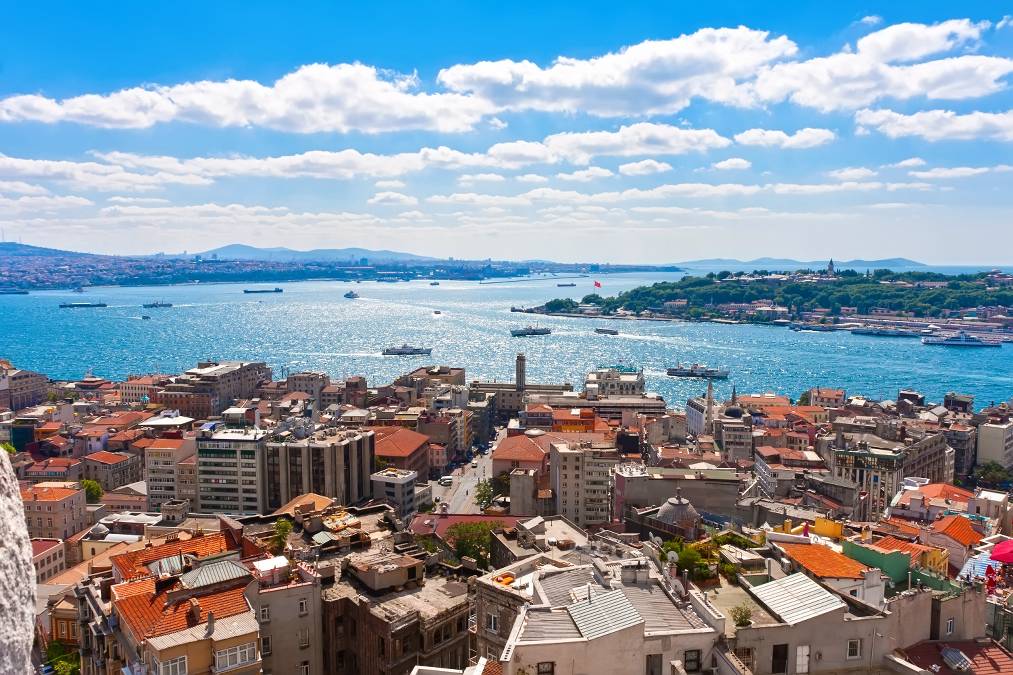
Galata Tower: Climb to the top for panoramic views over the city and the Bosphorus.
Evening Tip: Walk along Istiklal Street or watch the sunset from a rooftop café in Beyoğlu.
Day 3: Local Life and Hidden Gems
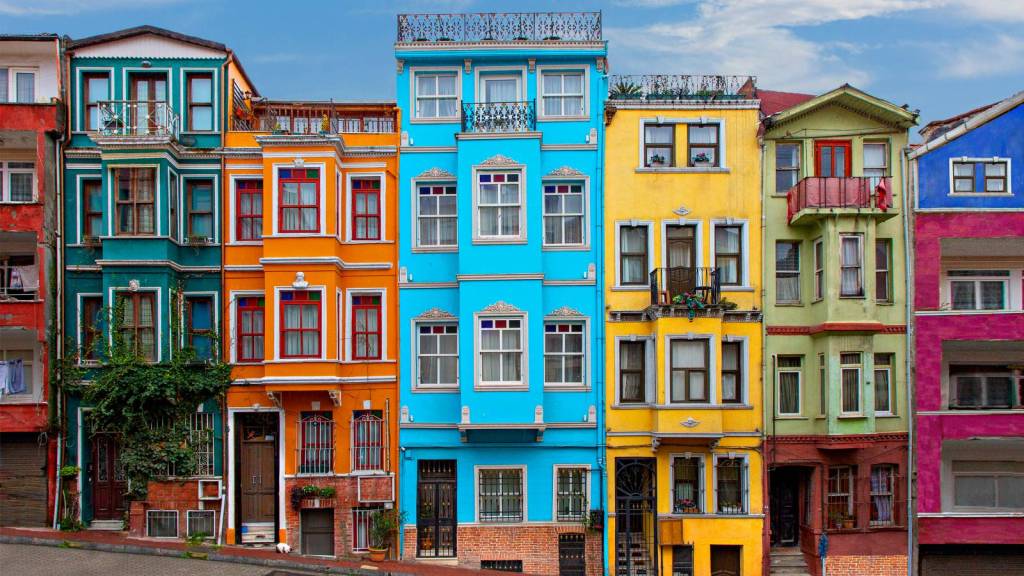
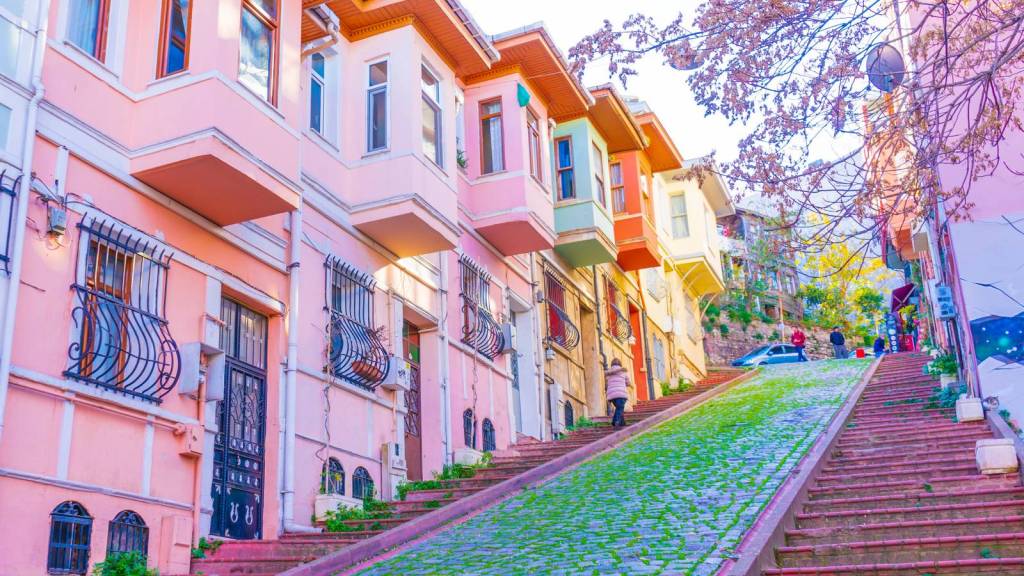
Balat & Fener: Discover colorful streets, historic churches, and a more authentic side of the city.
Chora Mosque: Admire stunning Byzantine mosaics and frescoes in a peaceful setting.
Kadıköy & Moda: Cross the Bosphorus by ferry to explore lively markets, trendy cafés, and seaside parks.
Evening Tip: Relax by the waterfront in Moda or enjoy street food in Kadıköy before heading back.
Quick Tips for Your Trip
Use a transportation card for easy access to ferries, trams, and metros.
Stay in central areas like Sultanahmet, Karaköy, or Beyazıt for easy access.
Bring comfortable walking shoes — Istanbul has many hills and cobblestone streets.
Plan for both modern and traditional experiences to get the full Istanbul vibe.
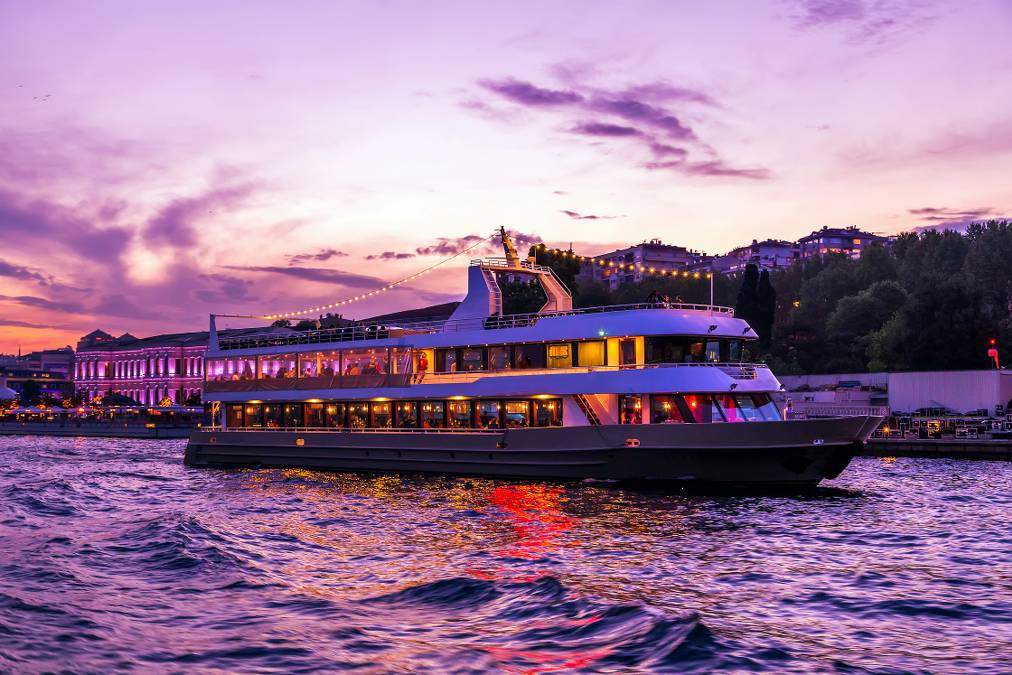
Istanbul, a city that bridges Europe and Asia, is steeped in history and stunning views. Among its many experiences, a sunset cruise on the Bosphorus stands out. Here’s why it’s an unforgettable journey.
The Bosphorus: A Historic Waterway
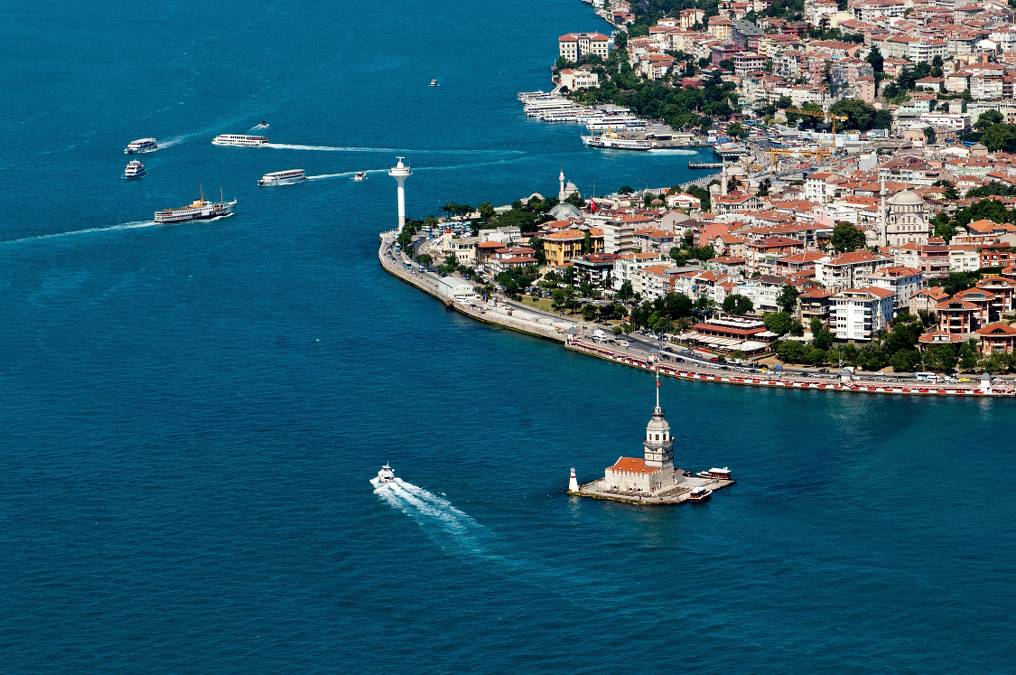
The Bosphorus Strait, a lifeline for Istanbul since antiquity, has seen empires rise and fall. Its shores boast landmarks like the Dolmabahçe Palace (1856), the Rumeli Fortress (1452), and the Maiden’s Tower, with origins dating back to 1110. A cruise reveals this blend of history and modernity.
Why Choose a Sunset Cruise?
As the sun sets, Istanbul transforms. The Hagia Sophia (built in 537) and the Blue Mosque gleam in twilight, while the Bosphorus Bridge lights up, connecting two continents. The vibrant hues of the sunset make this experience magical and memorable.
What to Expect
A typical 2-3 hour cruise includes:
Landmark Views: Marvel at historic sites like Ortaköy Mosque and the 19th-century Dolmabahçe Palace.
Relaxation: Enjoy Turkish tea or refreshments as the city glides by.
Photo Moments: Capture the golden-hour glow over Istanbul’s skyline.
Tips for Your Cruise
Book Early: Cruises fill up quickly, especially in summer.
Dress Warmly: Bring a light jacket for breezy evenings.
Choose Wisely: Options range from budget-friendly ferries to private yachts. Pick what suits your style.
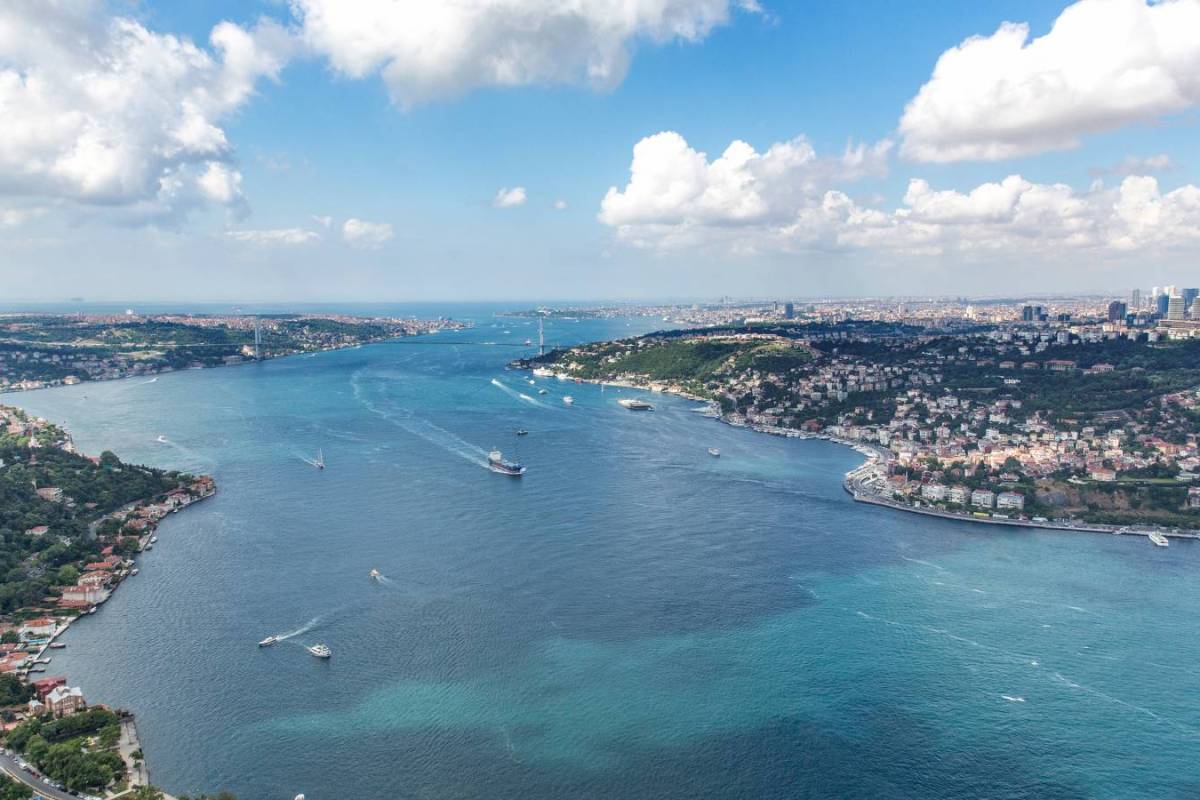
Istanbul, the mesmerizing city that straddles two continents, is blessed with a geographical gem that adds to its allure—the Bosphorus Strait. This narrow waterway not only separates Europe from Asia but also serves as a vital link between the Black Sea and the Sea of Marmara. Embarking on a journey along the Bosphorus promises an unforgettable experience, blending rich history, stunning landscapes, and vibrant culture.
Cruising the Bosphorus: A Panoramic Voyage
Bosphorus Cruise: One of the best ways to explore the Bosphorus is by taking a cruise. Numerous operators offer guided tours that take you along the strait, providing breathtaking views of Istanbul’s skyline, ancient fortresses, and magnificent palaces. As the boat gently glides through the azure waters, you’ll witness the seamless blend of modernity and history.
Rumeli Fortress
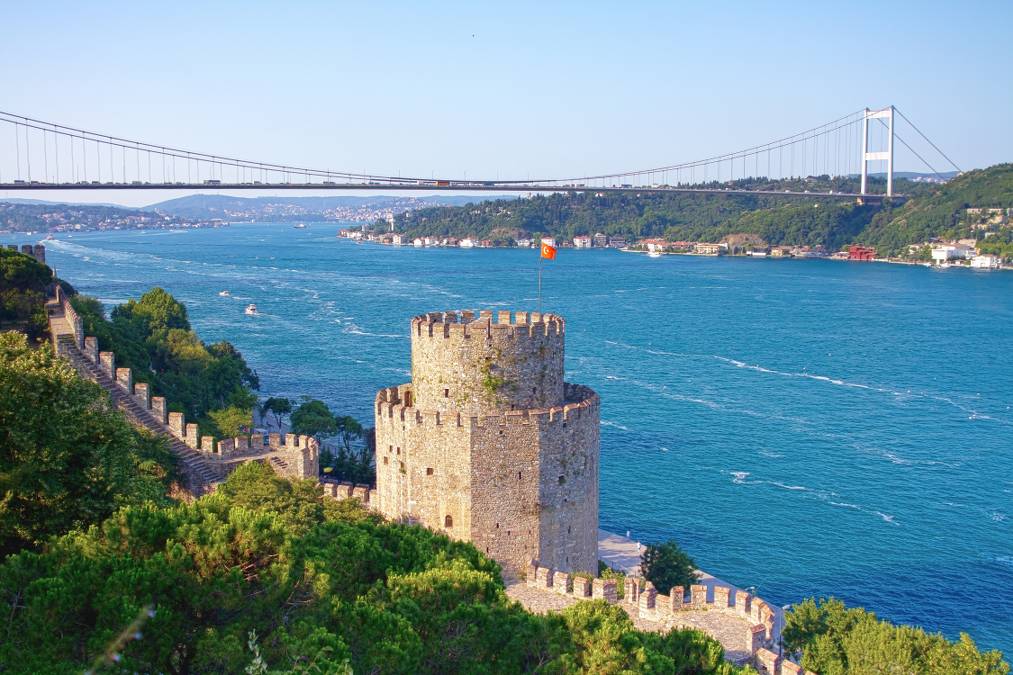
Rumeli Fortress: A prominent landmark on the European side, the Rumeli Fortress stands as a testament to Ottoman military architecture. Built in the 15th century by Sultan Mehmed II, this fortress played a crucial role in the conquest of Constantinople.
Anadolu Kavagi: At the northern end of the strait, the charming village of Anadolu Kavagi awaits. Nestled amid lush hills, this quaint fishing village is the perfect spot for a leisurely stroll. Don’t forget to savor fresh seafood at one of the local eateries while enjoying the serene ambiance.
Historical Marvels Along the Bosphorus
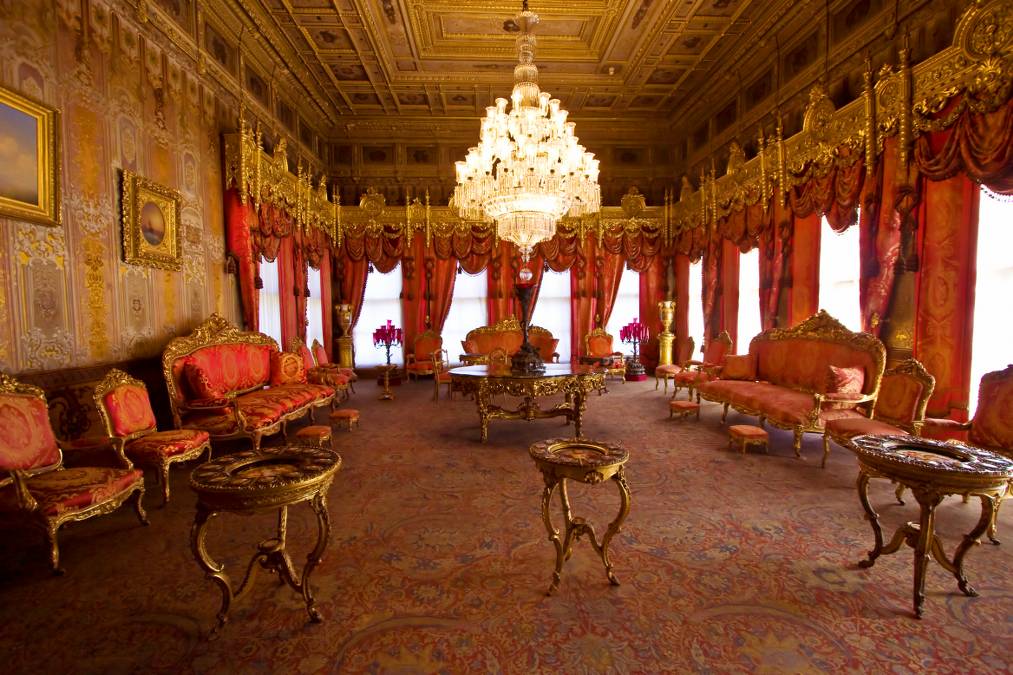
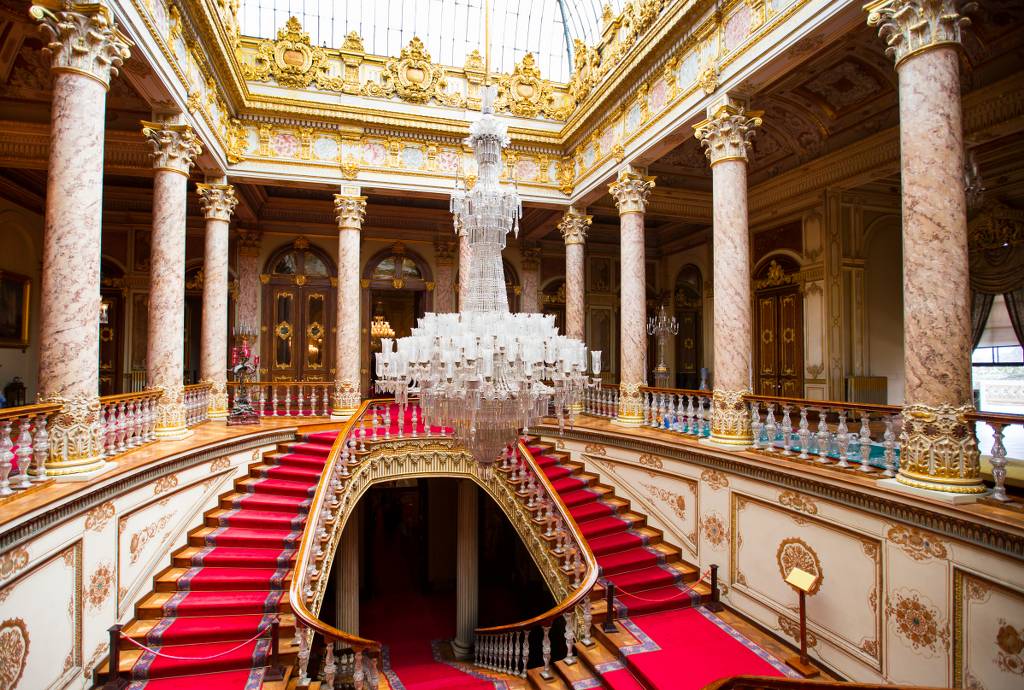
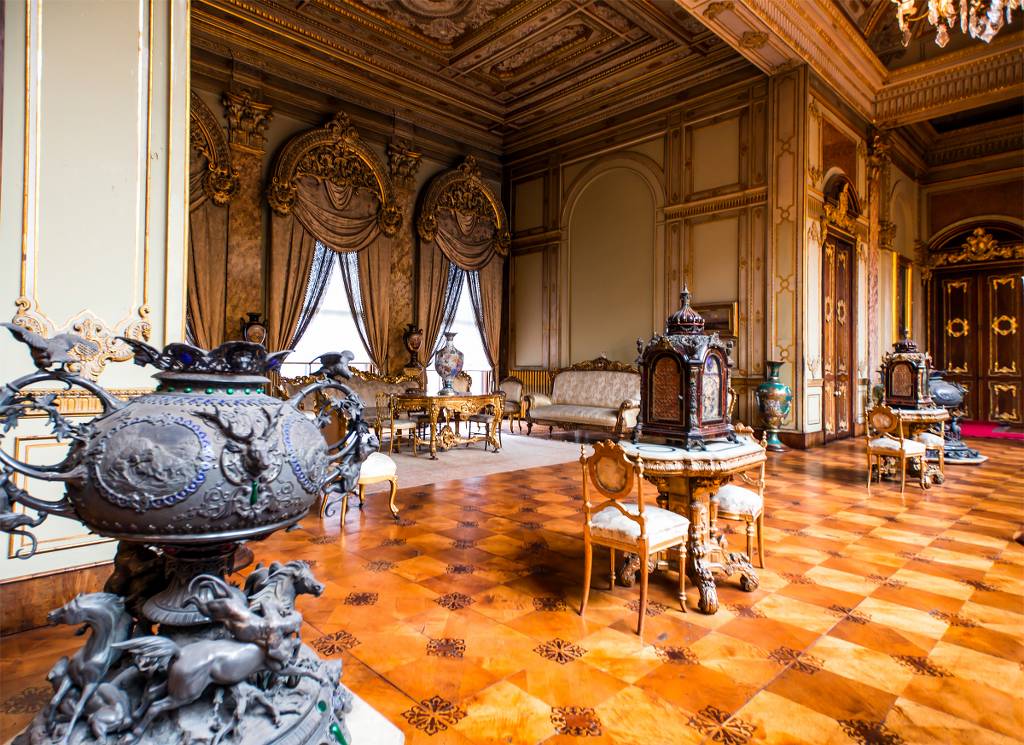
Dolmabahçe Palace: A masterpiece of Ottoman architecture, Dolmabahçe Palace graces the European shores of the Bosphorus. This opulent palace served as the main administrative center during the late Ottoman Empire. Marvel at the grandeur of its crystal staircase and the ornate design of its interiors.
Beylerbeyi Palace: Another architectural gem, Beylerbeyi Palace, on the Asian side, welcomes visitors with its exquisite blend of Ottoman and Western architectural styles. Once a summer residence for Ottoman sultans, the palace’s seaside location offers stunning views of the Bosphorus.
Ortaköy Mosque: Standing as an elegant symbol of Istanbul’s religious diversity, Ortaköy Mosque is a picturesque Ottoman-era mosque located beneath the Bosphorus Bridge. Admire its intricate architecture and enjoy the lively atmosphere of Ortaköy Square, filled with charming cafes and boutiques.
Bosphorus Bridges: Uniting Continents
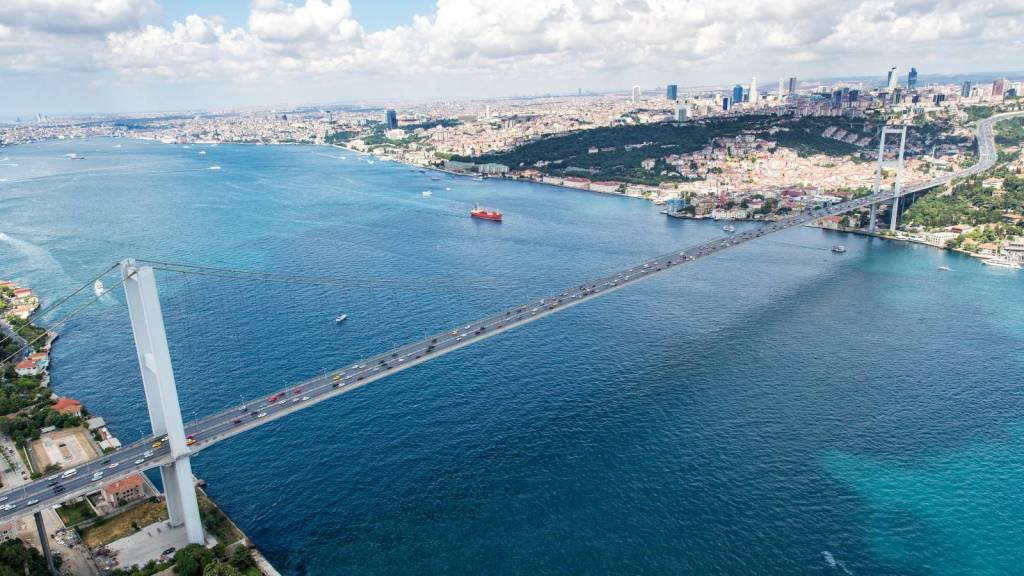
Bosphorus Bridge: Connecting Europe and Asia, the Bosphorus Bridge is an engineering marvel. As you pass beneath it during a cruise, or walk across it to experience the panoramic views, you’ll be struck by the significance of this structure, linking two continents.
15 July Martyrs Bridge: Formerly known as the Bosphorus Bridge, it was renamed to honor those who sacrificed their lives during the failed coup attempt on July 15, 2016. The bridge is not only a transportation link but also a symbol of resilience.
Embracing Culture and Cuisine
Bosphorus-side Cafes and Restaurants: Along the shores of the strait, you’ll find a plethora of cafes and restaurants offering delightful Turkish cuisine. Indulge in traditional delights like kebabs, mezes, and baklava while enjoying the views of passing ships.
Bosphorus at Night: To witness the Bosphorus in all its nighttime glory, take an evening cruise. The illuminated skyline, with the shimmering lights of the city reflecting on the water, creates a magical atmosphere.
Practical Tips for Exploring the Bosphorus
Timing is Everything: Plan your visit during the mild spring or autumn months for pleasant weather.
Guided Tours: Consider a guided Bosphorus cruise to gain insights into the history and culture from knowledgeable guides.
Local Transportation: Use public ferries or take a stroll along the waterfront promenades for a more intimate connection with the city.
Exploring the Bosphorus is more than a journey; it’s a cultural odyssey through the heart of Istanbul. As the shimmering waters weave tales of centuries past, and the cityscape unfolds before your eyes, you’ll find yourself captivated by the timeless beauty of this iconic strait. The Bosphorus isn’t just a waterway; it’s a living testament to Istanbul’s rich history and vibrant present.
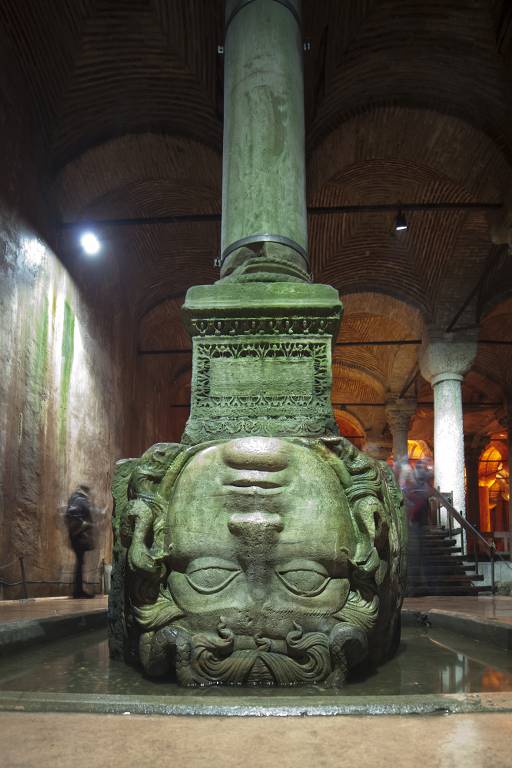
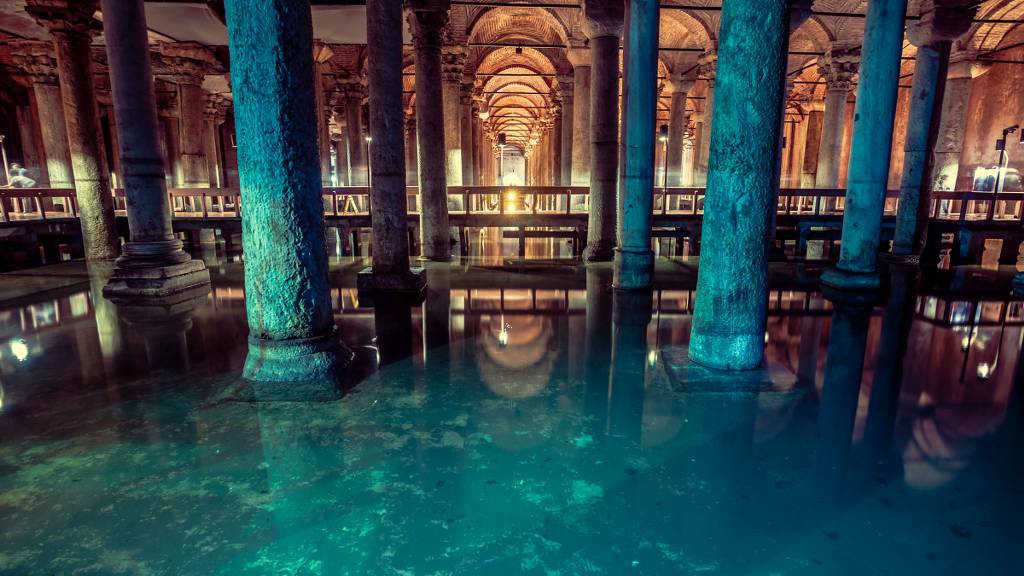
The Basilica Cistern is one of the most popular tourist attractions in Istanbul. It is a large underground cistern that was built in the 6th century by the Byzantine emperor Justinian I. The cistern is located near the Hagia Sophia and the Sultanahmet Mosque, and it is open to the public for tours. The Basilica Cistern is a vast underground chamber that is supported by 336 marble columns.
The columns are arranged in 12 rows of 28 columns, and they are each about 9 meters high. The cistern is filled with water, and it is said to be able to hold up to 80,000 cubic meters of water.
The Basilica Cistern is a popular tourist destination because of its unique architecture and its historical significance. It is a great place to learn about the Byzantine Empire and to see one of the most impressive engineering feats of the Middle Ages.
The Basilica Cistern is a great place to visit if you are interested in Byzantine history, architecture, or simply want to see a unique and interesting place in Istanbul.
Dolmabahçe Palace is a historical palace located in the Besiktas district of Istanbul. It was built between 1843 and 1856 as a residence for the Ottoman sultans and served as the main administrative center of the Ottoman Empire.
The palace is home to several important landmarks, including the Harem, a secluded section of the palace that was reserved for the sultan’s family and concubines. The palace also features a collection of European and Ottoman artwork and furniture, as well as a large collection of crystal chandeliers and clocks.
The palace was designed by the Ottoman architect Garabet Balyan and his sons. It has a total of 285 rooms, 43 halls, 6 baths and 68 toilets. The palace was also home to several famous Ottoman sultans, including Abdülmecid I and Mehmed V.
Today, the palace is a popular tourist destination, attracting an estimated 3 million visitors annually. It is also a popular spot for locals, with many shops, restaurants, and cafes located nearby.







 Istanbul Insider TV